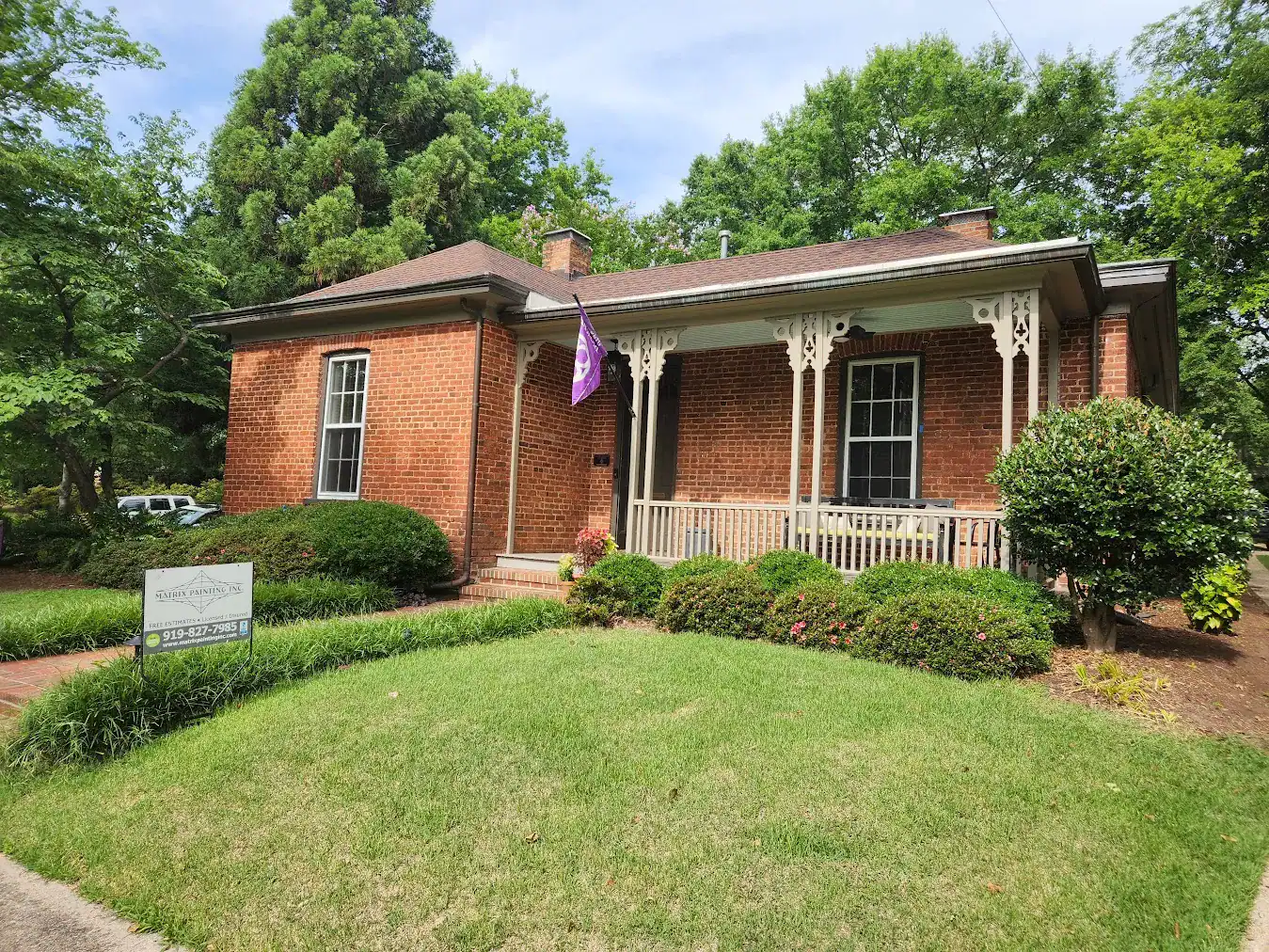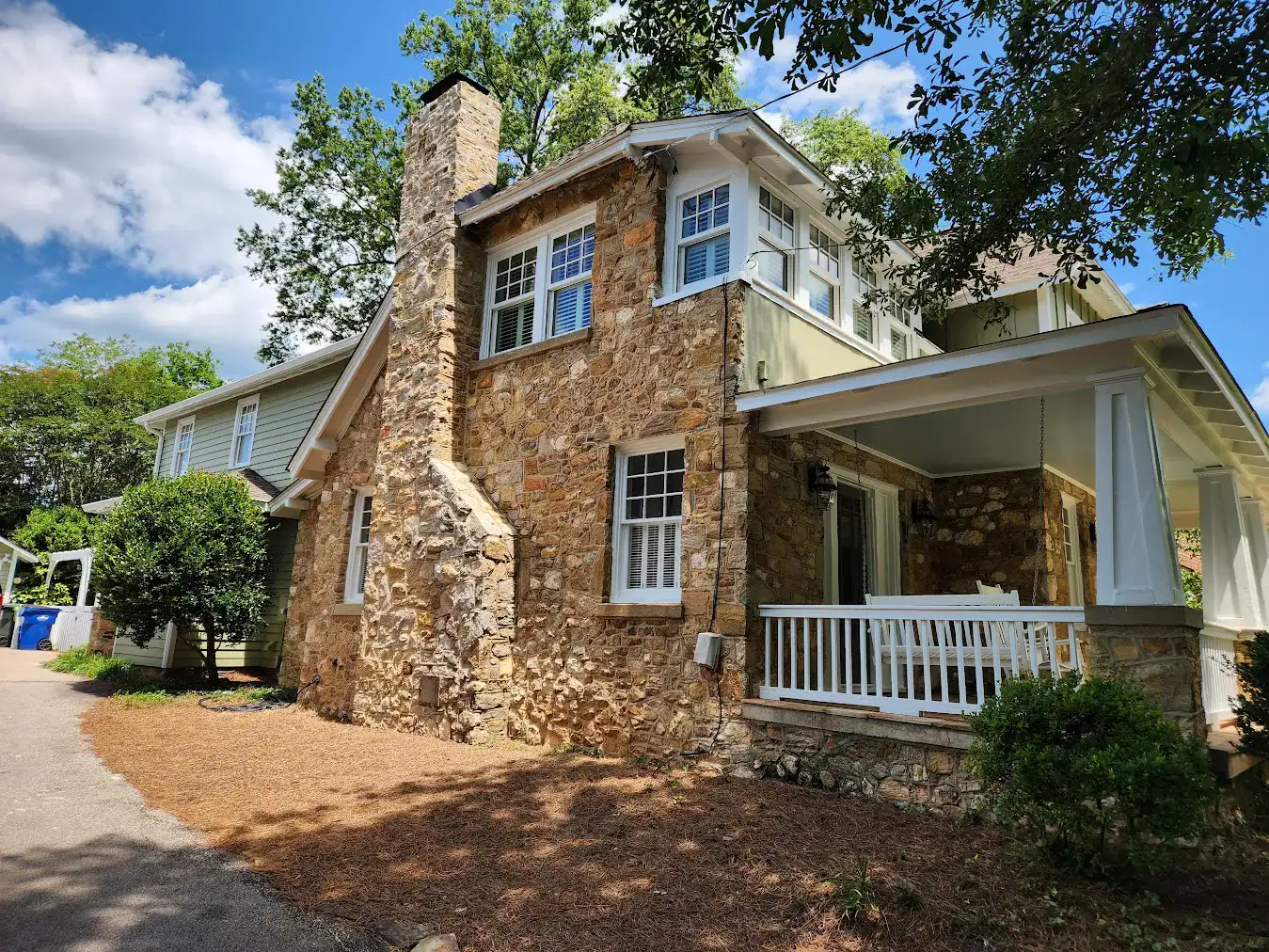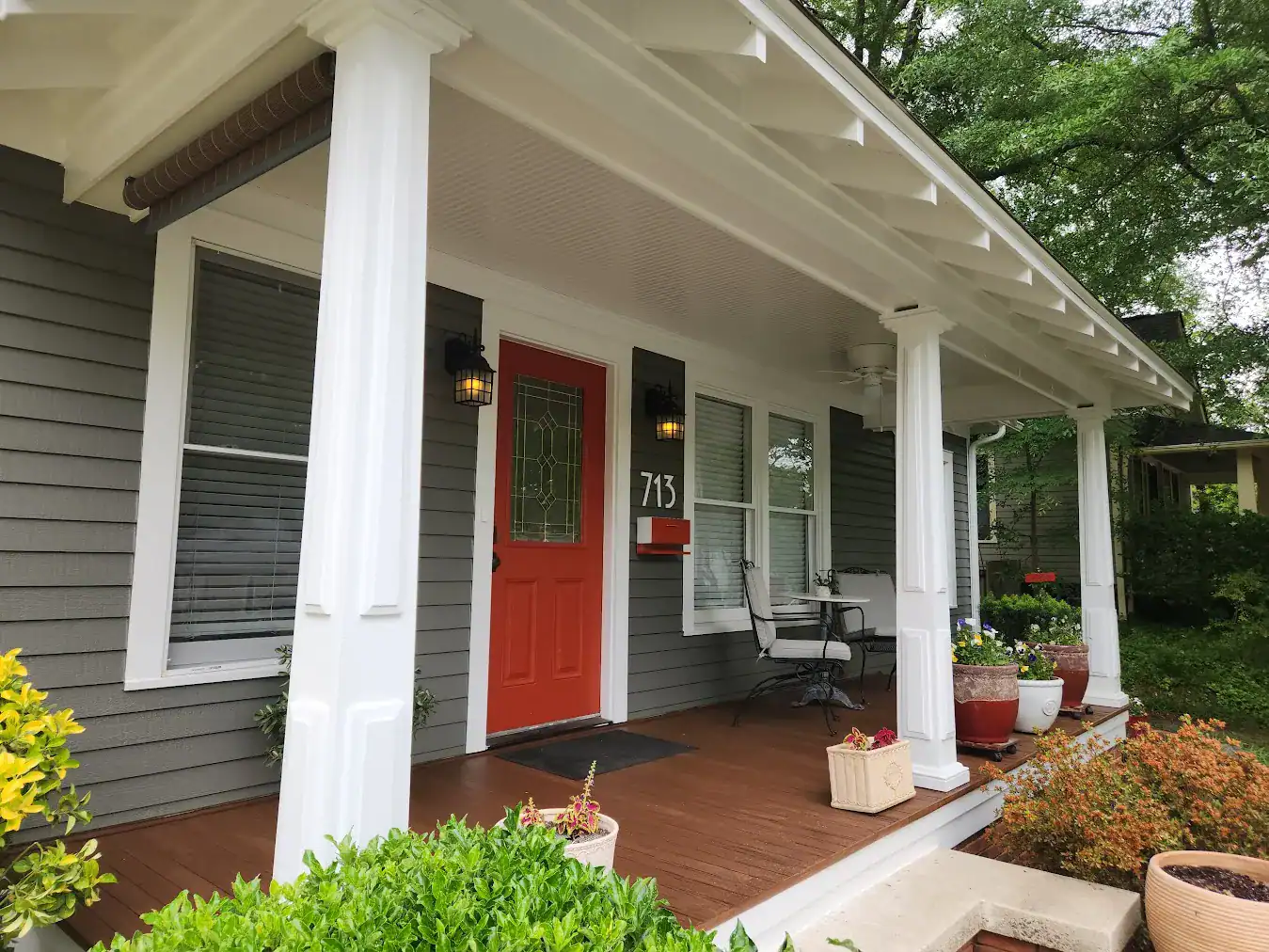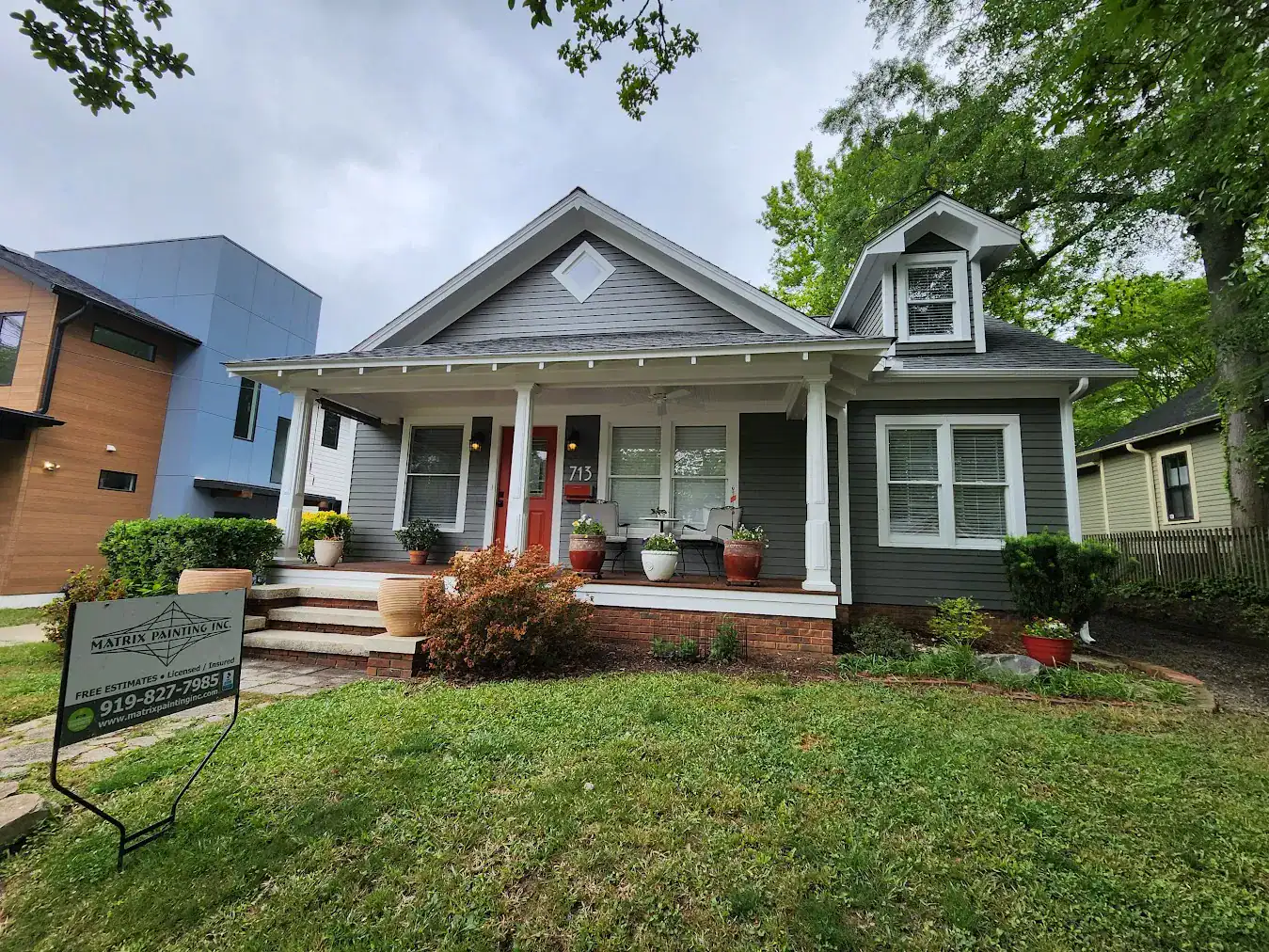
Serving Historic Homes Across the Triangle Since 2007

Lead-Safe Painting for Raleigh’s Historic and Older Homes

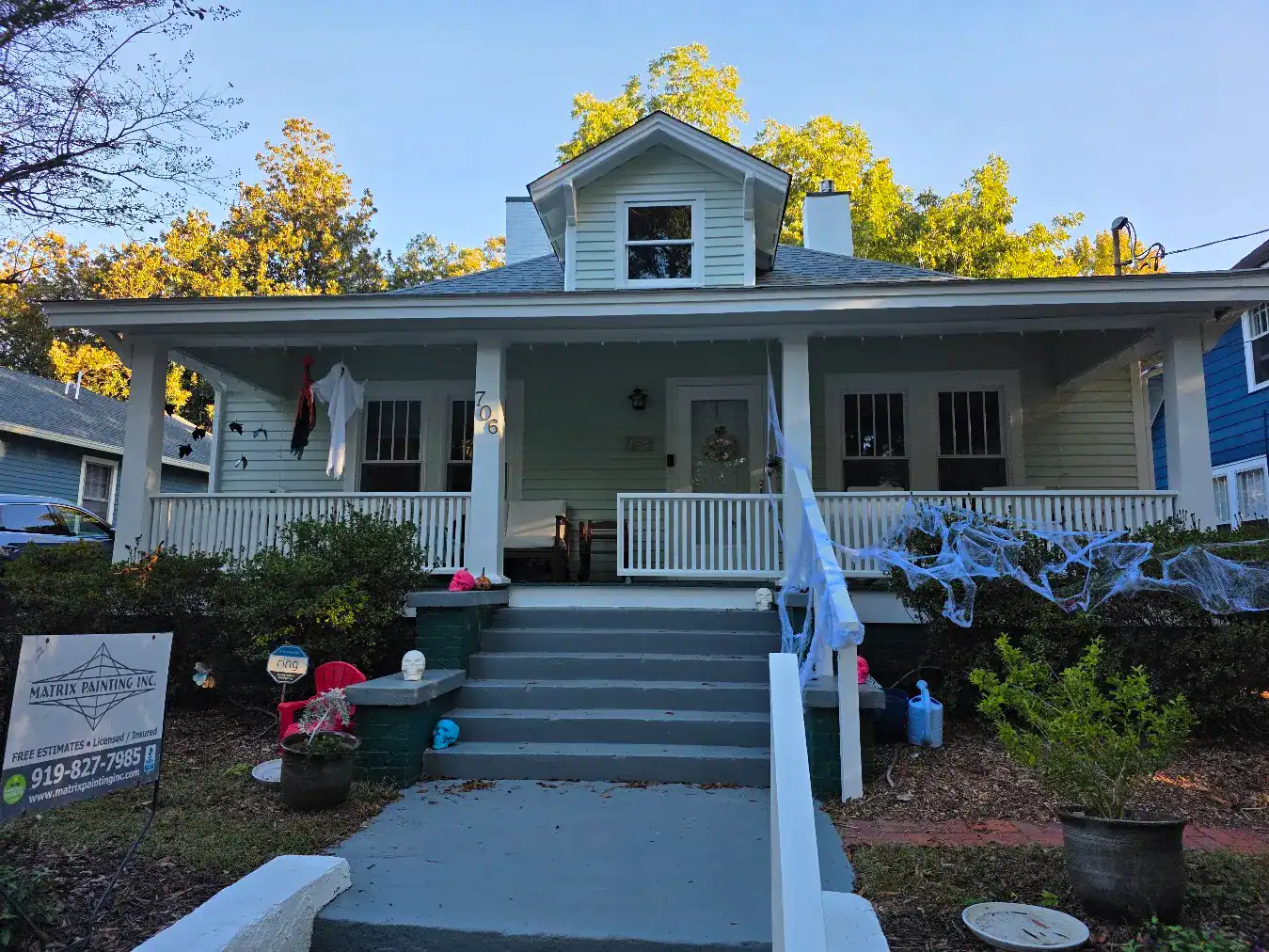
Older homes have character that’s worth protecting: original wood siding, trim, windows, and millwork that newer construction simply doesn’t have.

Owning a historic home comes with its own worries. Will a contractor who doesn’t know what they’re doing damage original woodwork that can’t be replaced? Will they skip the lead-safe steps that actually matter? The wrong crew can undo decades of character in an afternoon. The right one protects what makes your home worth owning in the first place.

Matrix Painting Inc. is EPA Lead-Safe certified, which means we follow federal work practice standards for containment, dust control, and cleanup on every historic home project. Every estimate includes an assessment of your home’s age and condition, and a written price before any work begins.

  • Free Estimates
  • Onsite/Instant Estimates
  • Clear, Transparent, Daily Communication
  • Always On-Time
  • Locally Owned and Operated
  • Fully Licensed & Insured

Lead-Safe Certified Painting

Painting Historic Homes the Right Way

The EPA’s lead-safe work practice standards apply to any renovation or painting project that disturbs painted surfaces in homes built before 1978, when lead-based paint was banned for residential use. That includes scraping, sanding, or heat-stripping old paint, all common steps in prepping a historic home for a new coat. Lead-Safe certified firms must contain the work area, minimize dust, and follow specific cleanup procedures before a job is considered complete. Matrix Painting Inc. follows these practices on every applicable project, not just when a homeowner asks about it specifically.
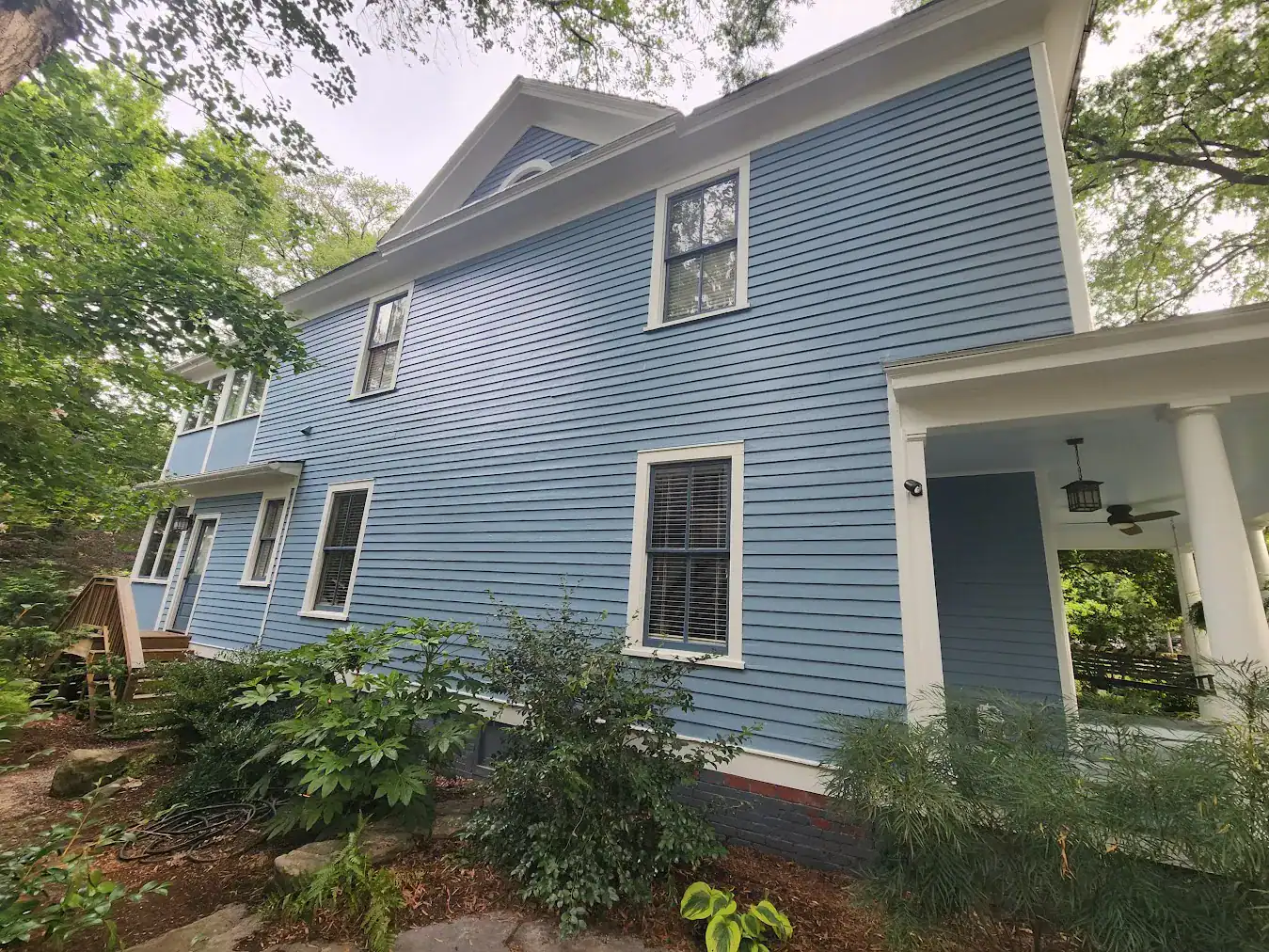
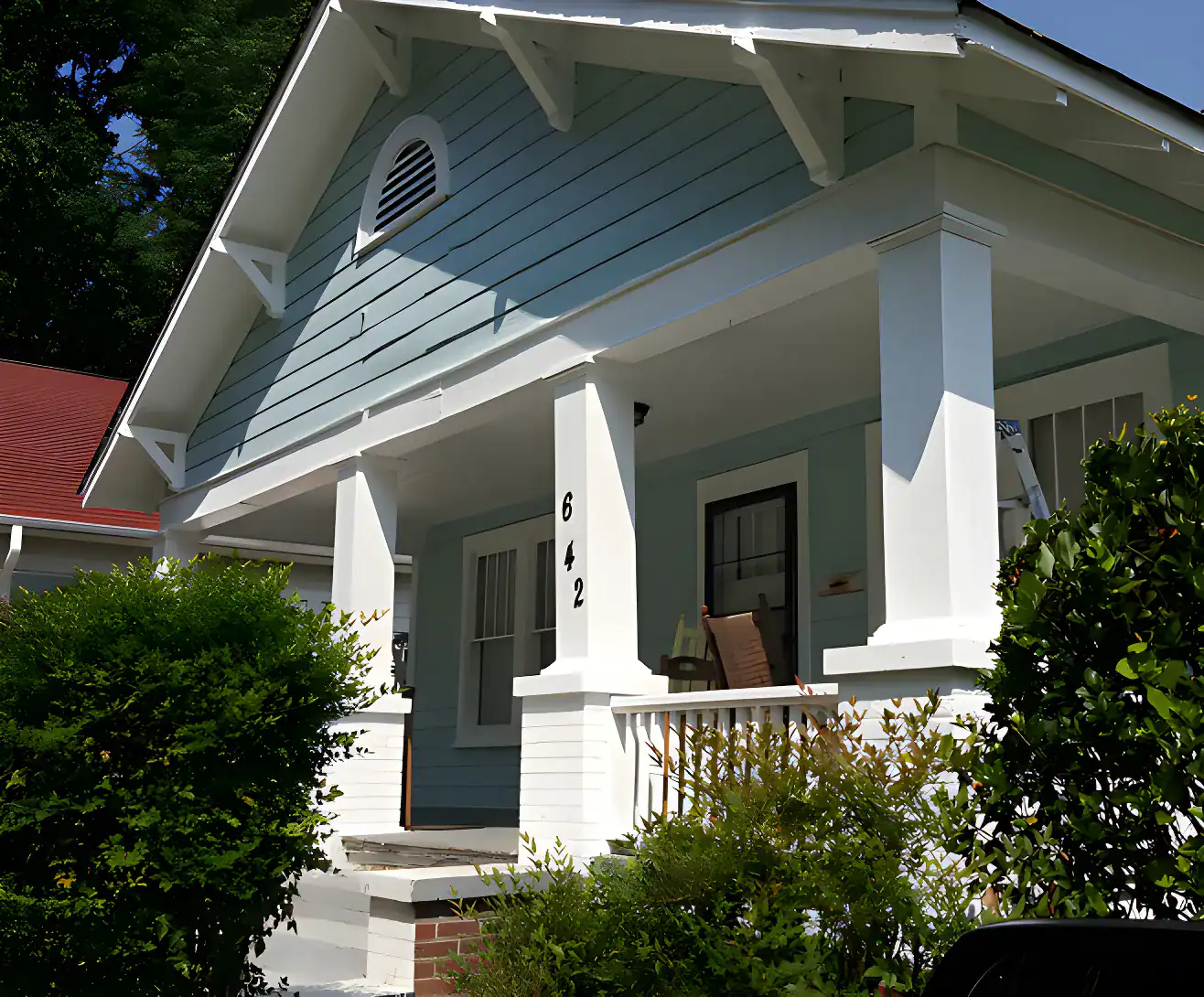
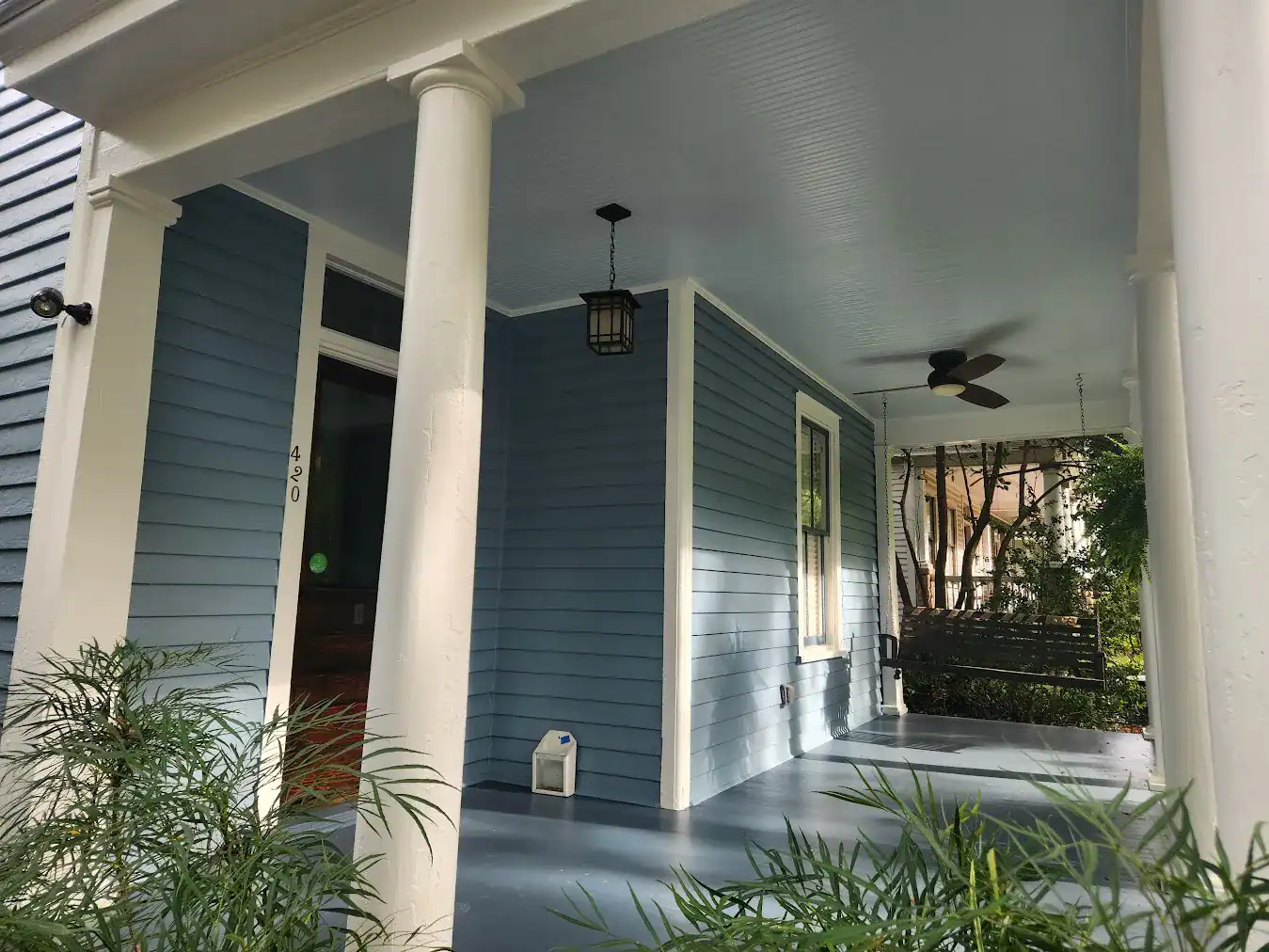
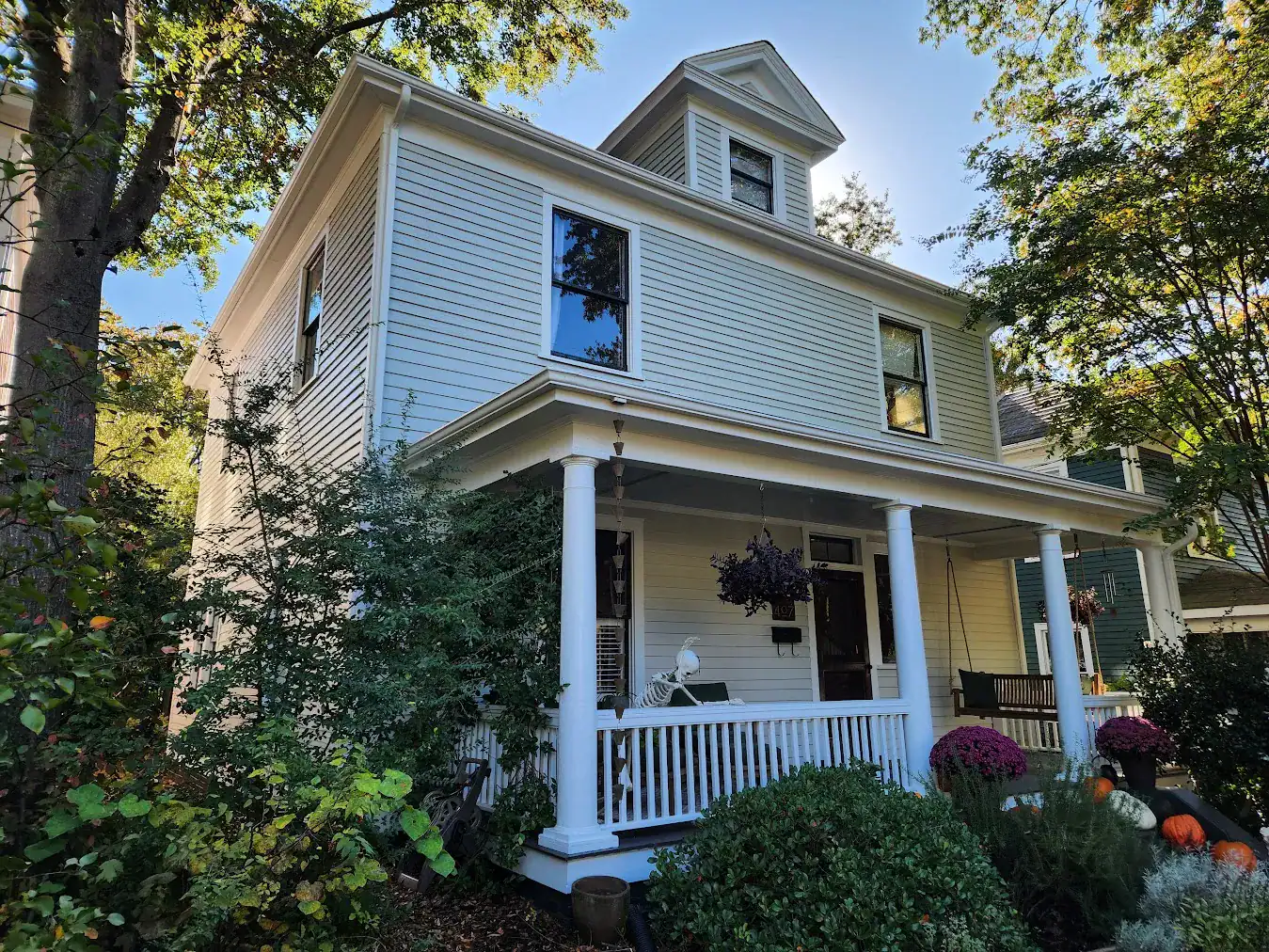
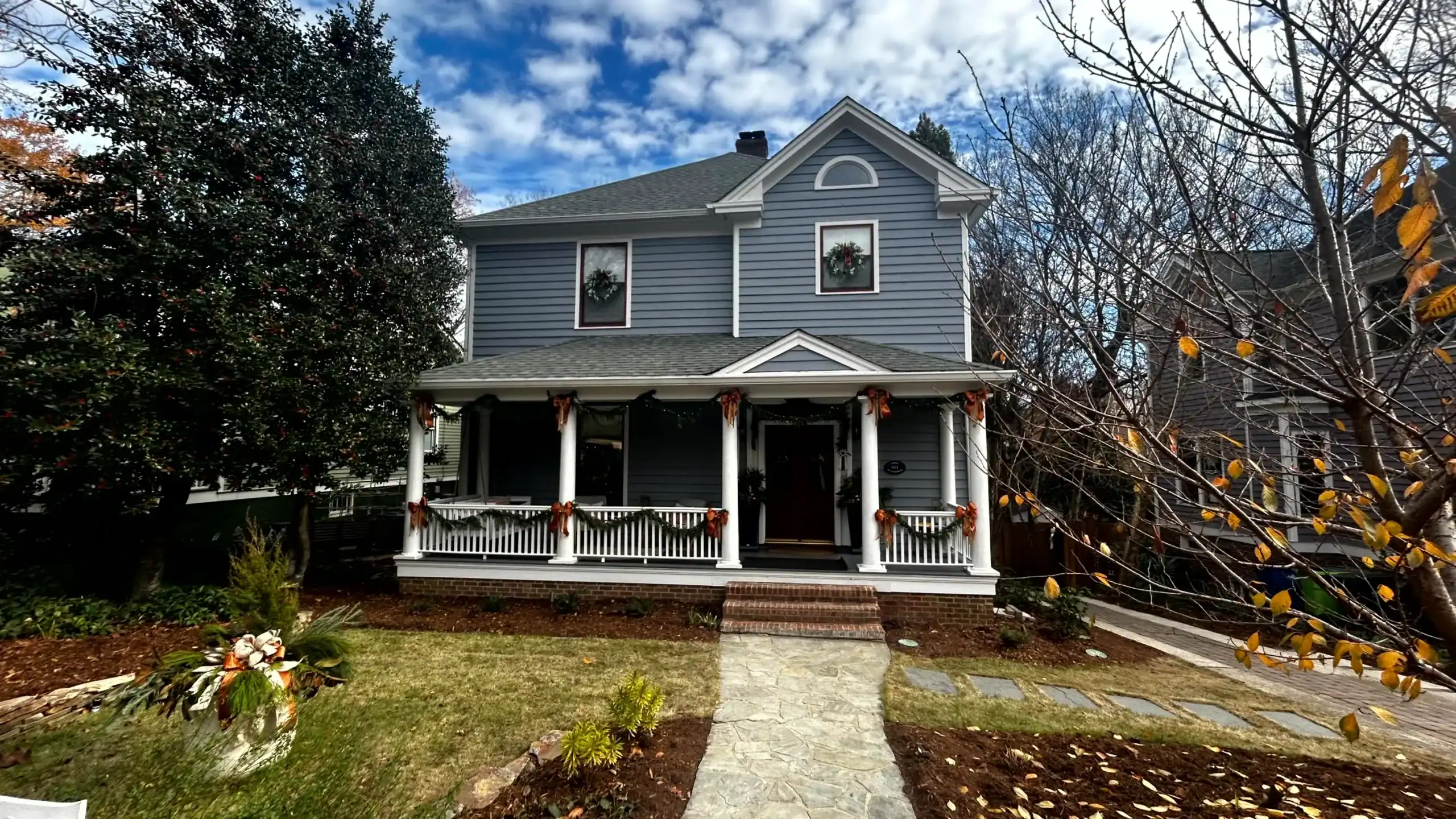
Light blue horizontal-siding two-story residential home with white trim, white-framed windows, and covered entry porch in

EPA Lead-Safe Certified

What Lead-Safe Certification Actually Means

Lead-Safe certification isn’t a marketing badge; it’s a federal requirement tied to specific work practices. Before starting work on a pre-1978 home, we contain the work area with plastic sheeting to keep paint chips and dust from spreading, use tools and methods that minimize dust generation, and follow strict cleanup and verification procedures once the work is done. If your home was built before 1978, ask any painting contractor whether they’re Lead-Safe certified before hiring them, since the practices required aren’t optional under federal law, though not every contractor follows them consistently.

Historic Home Carpentry

Carpentry Repair for Original Wood and Trim

Historic homes often have original wood siding, trim, window sashes, and millwork that newer construction can’t easily replicate. Rather than replacing damaged wood with modern materials that don’t match, we repair it, matching the existing profile so the home’s character stays intact. This is common work on homes in historic districts throughout the Triangle, where original woodwork is part of what makes the home valuable in the first place. We assess carpentry needs during every historic home estimate and provide the repair cost in writing before any work begins.


Blank white painting estimate form or quotation template document
Interior residential room during painting cleanup and preparation phase in Raleigh, NC
Time white paint color swatch with warm neutral finish on sample card
Quality white paint color swatch with clean, neutral finish on sample surface.

Historic Neighborhoods Across the Triangle

We’ve worked on historic and older homes throughout the region, including Oakwood and Boylan Heights in Raleigh, Trinity Park and Old West Durham in Durham, the historic district near College Street and Sycamore Street in Wake Forest, homes near downtown Apex and Salem Street, and homes near Fuquay-Varina’s historic Main Street and Fuquay Mineral Spring Park. Each of these areas has its own mix of architectural styles and construction eras, but the same lead-safe practices and careful prep apply regardless of which neighborhood your home is in.
Our Professional Painting FAQs

It means a contractor is certified to follow the EPA’s Renovation, Repair, and Painting (RRP) Rule, which applies to work that disturbs painted surfaces in homes built before 1978. Requirements include containing the work area, using specific tools and methods to limit dust, and following strict cleanup procedures once work is complete. Matrix Painting Inc. is EPA Lead-Safe certified and follows these practices on every applicable project. If you’re hiring any contractor for work on an older home, ask whether they’re certified, since it directly affects how safely the work is done.

If your home was built before 1978, there’s a reasonable chance some layers of paint contain lead, since it wasn’t banned for residential use until that year. This doesn’t mean every surface needs special treatment, but it does mean any work disturbing old paint, scraping, sanding, or heat removal should follow lead-safe practices. A lead-safe certified contractor can talk you through what that looks like for your specific home during your estimate, including whether testing makes sense before work begins.

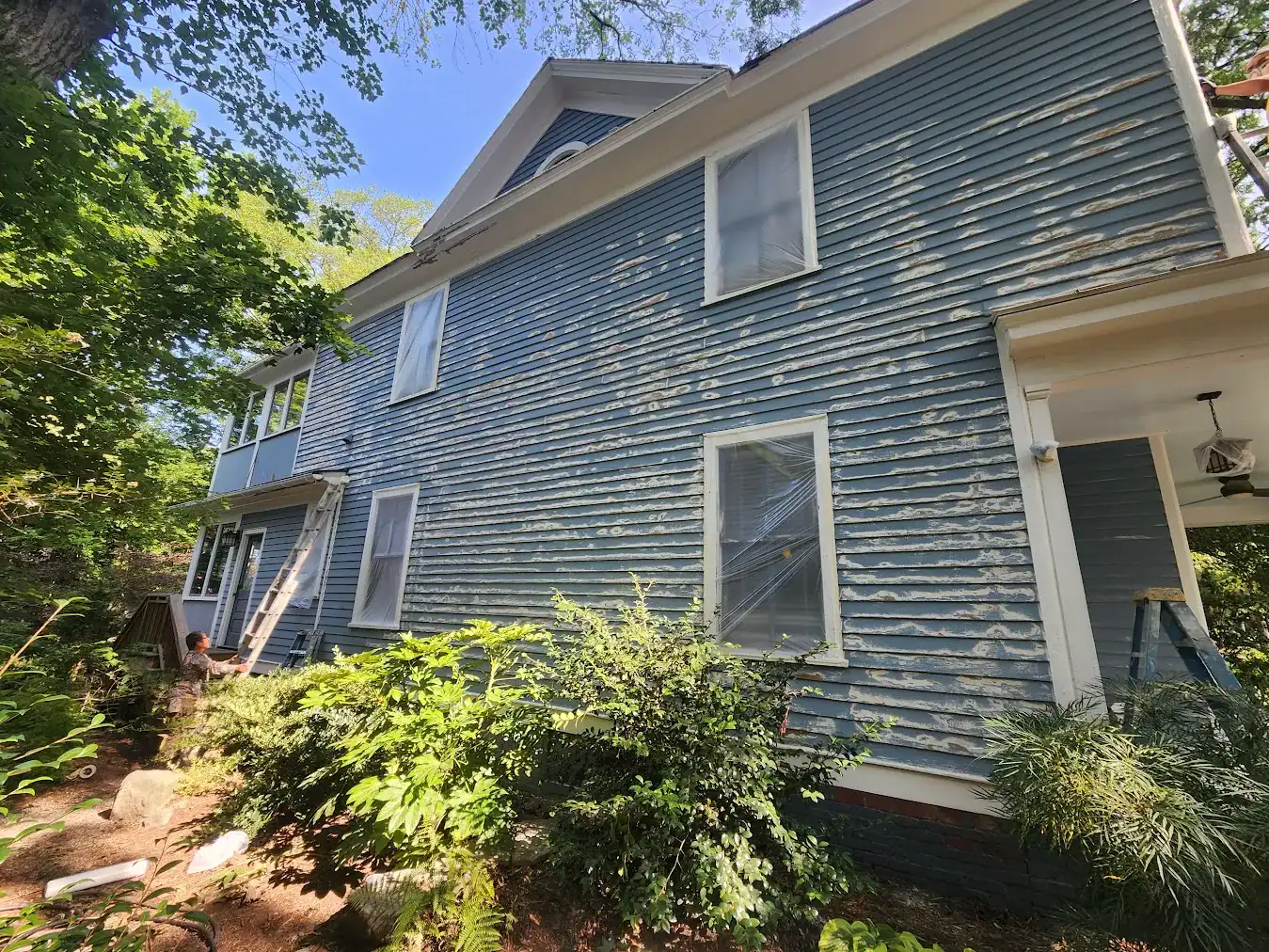
Paint in good condition that isn’t being scraped, sanded, or otherwise disturbed generally poses less risk than paint that’s actively being removed or is already peeling and chipping. The real risk comes from dust and paint chips created during renovation or repair work, which lead-safe work practices are designed to control. If your home has peeling paint on window sills, doors, or siding, it’s worth addressing sooner rather than later with proper containment, rather than leaving it to keep deteriorating.

A regular contractor may not be trained or equipped to safely remove old paint on a pre-1978 home, so paint chips and dust can spread further than they should during scraping or sanding. A lead-safe certified contractor follows specific containment and cleanup requirements set by the EPA. The certification itself comes from completing an EPA-accredited training course and following the work practices it requires on every applicable job, not just claiming the label without the process behind it.

We repair it. Painting over damaged or rotten wood doesn’t fix the underlying problem, and on a historic home, replacing original millwork with a generic modern profile changes the house’s character. We match the existing wood profile when repairing trim, siding, or window components, so the repair blends in rather than standing out. This is assessed and priced during your estimate, so you know the full scope before any work starts, not after the crew has already begun.

There can be some added cost for containment materials and the extra time proper cleanup requires, but it’s part of doing the work correctly on an older home, not an optional upsell. We include this in your written estimate upfront, so it’s accounted for in the total price rather than added as a surprise once work has started. Our minimum project size is $2,000 for exterior work and $1,500 for interior work, with historic home projects often running higher due to additional prep and carpentry.

Expect the work area to be contained with plastic sheeting before any scraping or sanding begins, specialized tools and methods used to limit dust, and a thorough cleanup and verification process once the painting is done. We’ll walk you through what containment looks like for your specific project during your estimate, since it varies depending on which surfaces are being worked on and how extensive the prep is, so there are no surprises once the crew arrives.

Sometimes; mainly due to the containment setup and a more thorough cleanup process. We build this into your project timeline from the start, so it shows up in your estimate rather than causing delays partway through. Weather still plays the same role it does on any exterior project. We schedule around pollen season and temperature so paint has the right conditions to cure, whether or not your project involves lead-safe practices.

The federal government banned lead-based paint for residential use in 1978, so the EPA’s lead-safe work practice rules apply specifically to homes built before that year. If your home was built in 1978 or later, these specific requirements typically don’t apply, though good prep practices still matter for any paint job. If you’re not sure when your home was built, we can help you figure out whether lead-safe practices are needed during your estimate.

What Working With Matrix Painting Inc. Looks Like

Why Choose Matrix Painting Inc. for Your Historic Home?

Historic homes deserve a contractor who treats the work differently than a standard repaint, not just faster or cheaper. Matrix Painting Inc. is EPA Lead-Safe certified, and we have worked on older homes throughout the Triangle’s historic districts since 2007. We assess carpentry needs, follow proper containment practices, and give you a written price before any work begins, so nothing about your historic home gets rushed or treated like just another job on the schedule, no matter how small the project is.

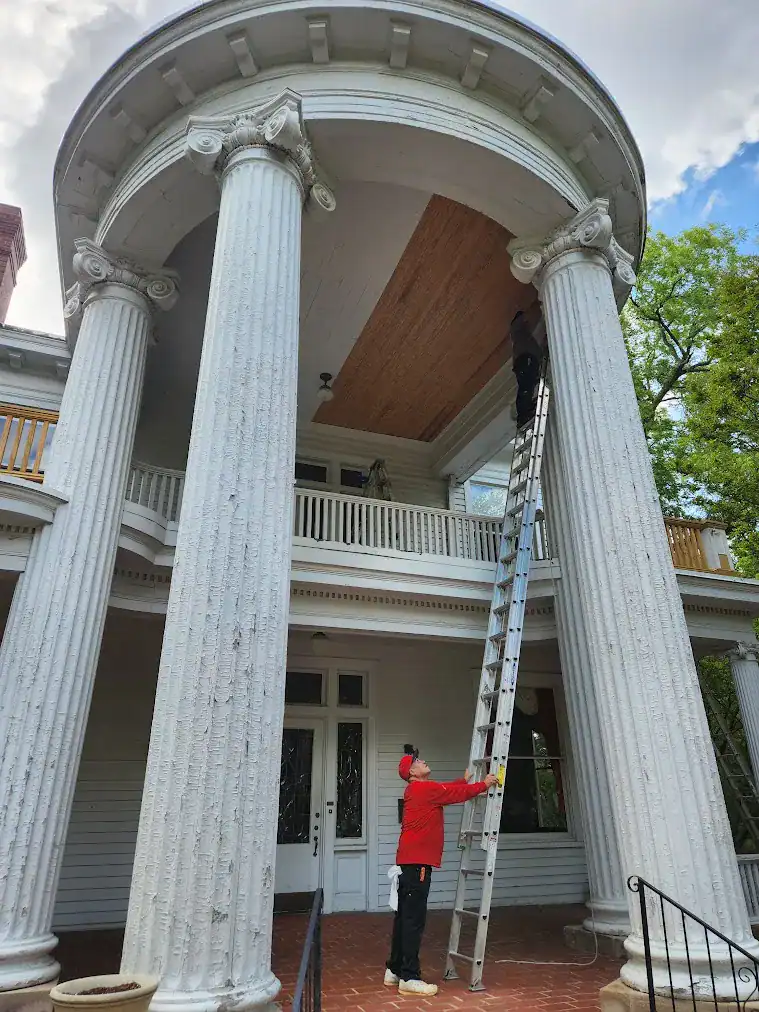
White-painted classical portico with tall fluted columns, red brick base, and wood entry doors in Raleigh, NC

Get Started Today

Ready to Restore Your Historic Home?

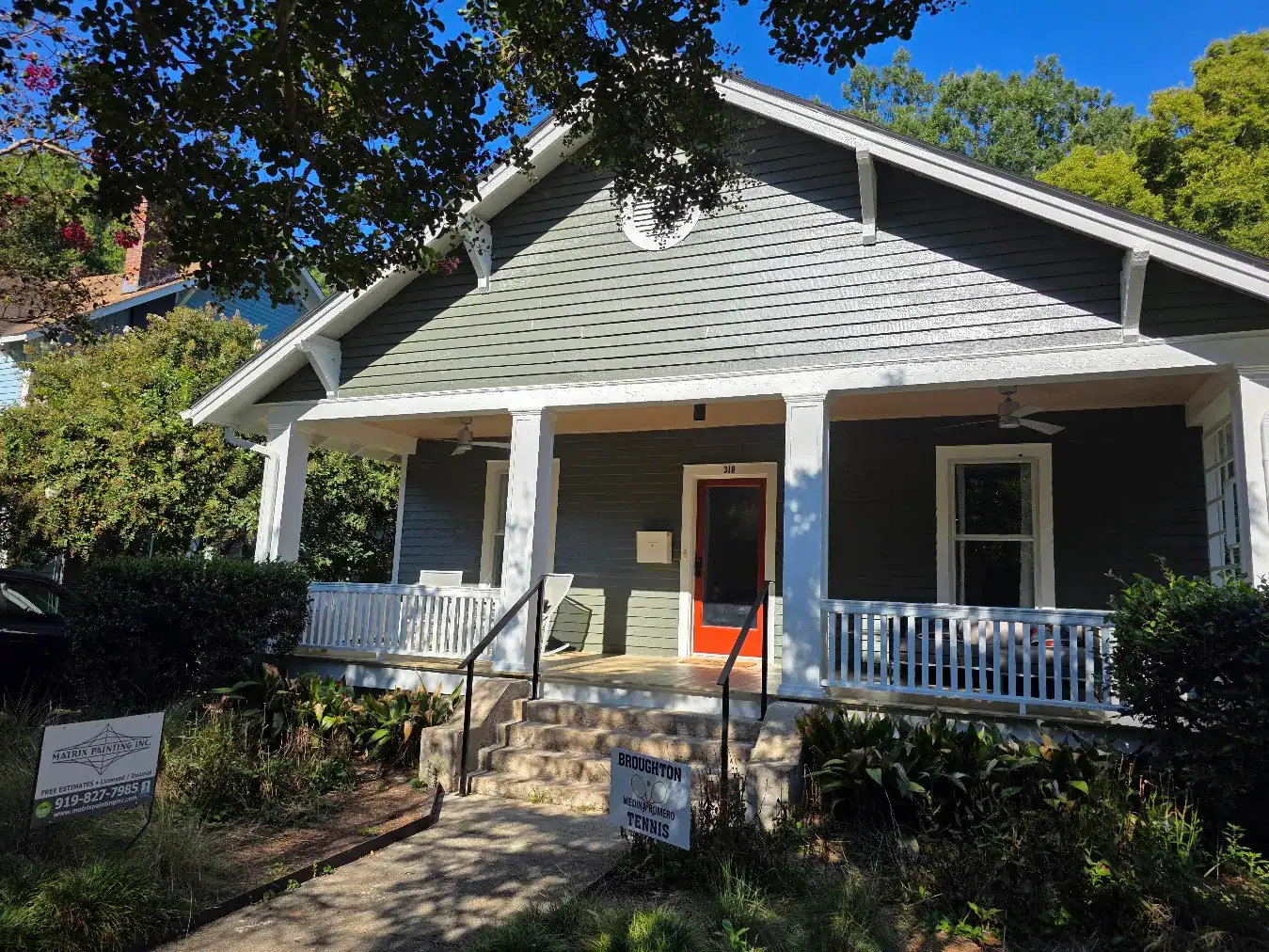
Whether you are maintaining a Victorian near downtown or a Craftsman bungalow inside the beltline, we handle historic home painting with the care and patience it deserves, not a rushed weekend job. Every project starts with a free, in-person estimate and an honest read on what your home actually needs, not a generic quote based on square footage alone. Call 984-262-9819 or fill out our online form to get your historic home project started today.